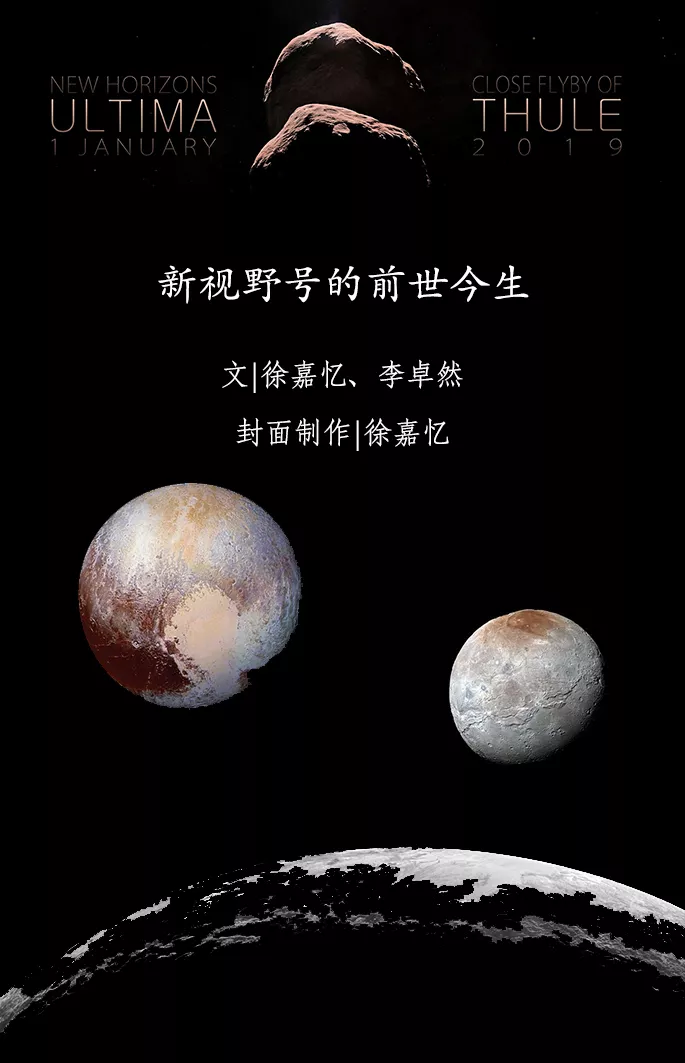
一次旅行,一次征途
在笔者尚小的时候
冥王星还作为“太阳系九大行星”中的一员频频出现在百科全书上
神秘的神话名字、遥远的距离,都给这颗星球笼上了一层不可捉摸的色彩
尽管冥王星在2006年被踢出“行星”群聊、打入“矮行星”冷宫
对于科学家来说,它仍然是十分具有研究价值的天体
航天界也从未停止过对它的探索
就在今年一月,一位拜访过冥王星的“探险家”给地球带来了激动人心的消息
——接下来要讲述的,就是它的故事。
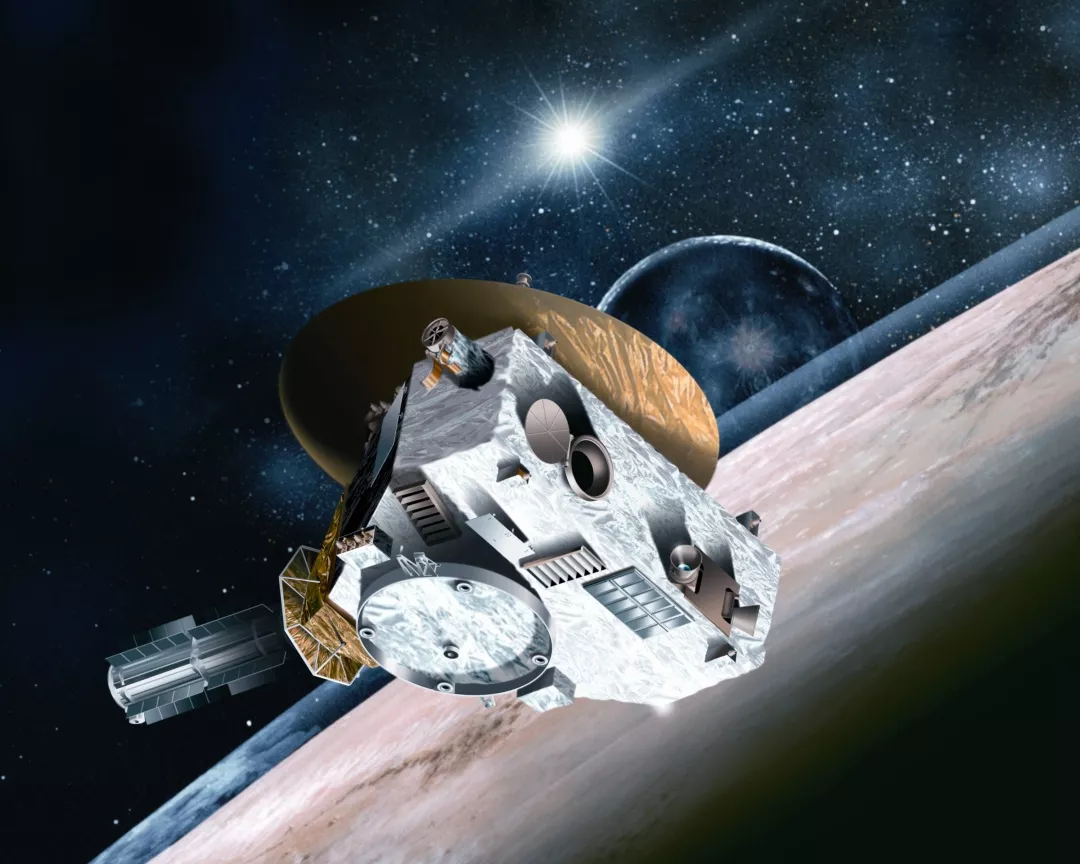
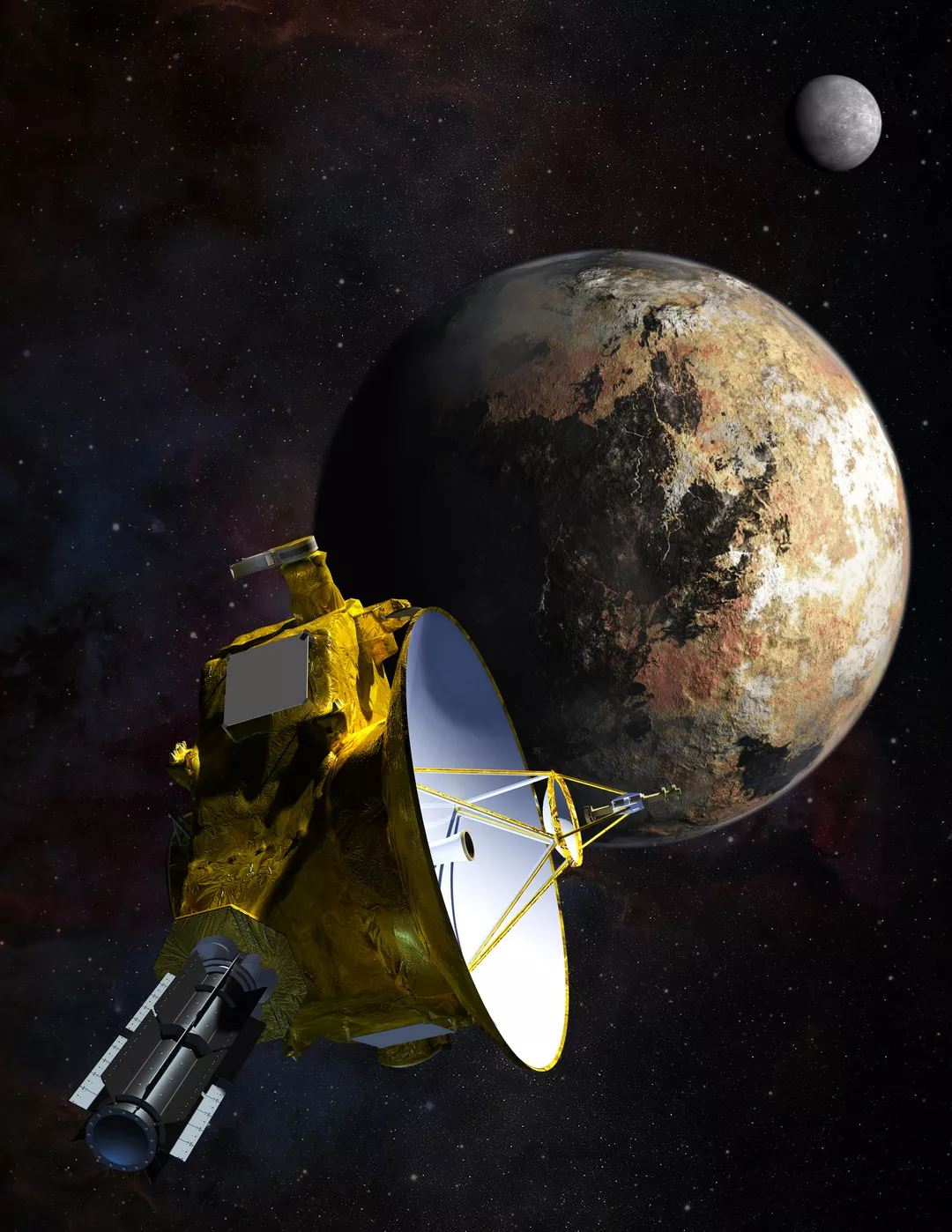
▼新视野号(New Horizons)@NASA
Ⅰ
出发
故事开始于2006年1月19日
卡纳维拉尔角肯尼迪航天中心,佛罗里达州,美国
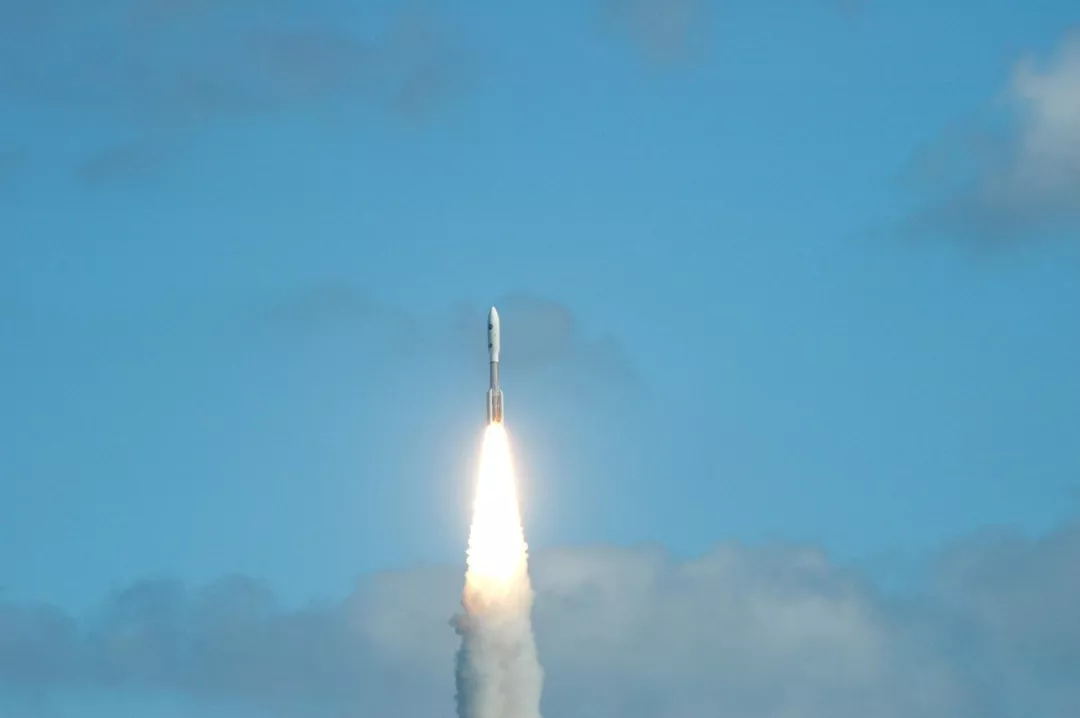
这天,一只冥王星探测器由美国国家航空航天局(NASA)发射升空了
它的名字是新地平线号探测器(New Horizons)
它肩负着重大的使命:探测冥王星和它最大的卫星卡戎(冥卫一)、以及探测位于柯伊伯带的小行星群。
▼新视野号发射照片 @NASA
▼@New Horizons: Hello! It’s me! @NASA
首先,“新地平线”号会经过冥王星
在完成了考察冥王星的工作后
它会继续向离地球更远的宇宙飞行
去往一个由彗星和其他宇宙碎片构成的中间环带——柯伊柏带。
▼柯伊伯带 @Google
Ⅱ
足迹
到现在为止
“新地平线”号已经在太阳系中独自穿行了13年
现在,它仍然沿着完整的计划轨道继续前进
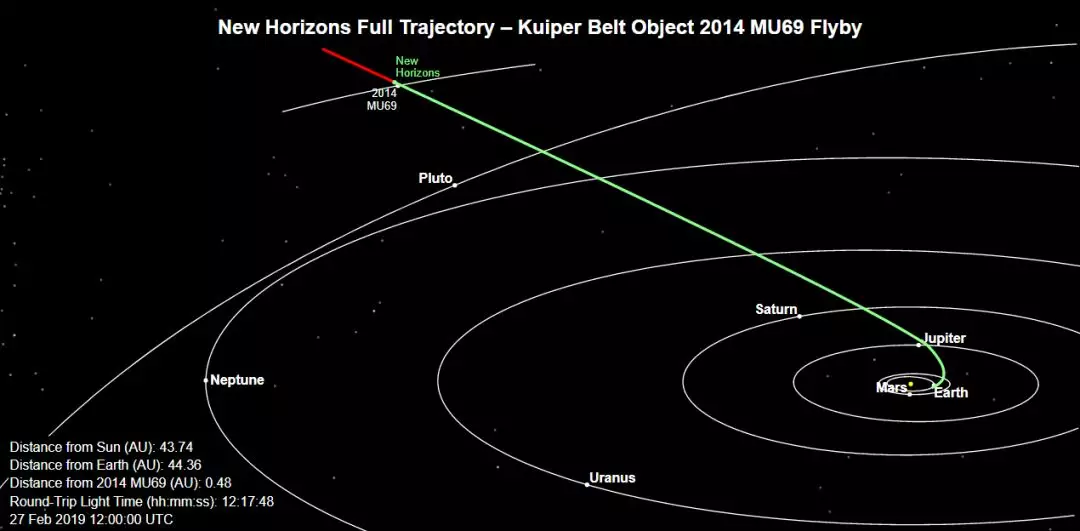
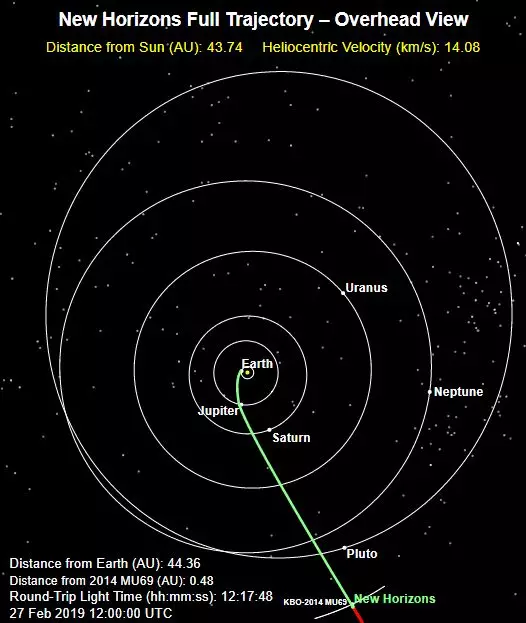
▼ 这张照片显示了“新地平线”目前的位置。这条线的绿色部分显示了“新地平线”号已经走过的路;红色表示它未来的运行轨迹。可以看到,它已经走完了自己的大 部分路程,离任务完成、圆满收官的日子也越来越近。 @Johns Hopkins University Applied Physics Laboratory
@New Horizons: 成长的足迹,一步一个大脚印
▼@Johns Hopkins University Applied Physics Laboratory
2015年7月14日,“新地平线”号成功飞掠冥王星
拍摄下珍贵的图像资料,完成了它的最主要的任务
在长达十年的旅行中, 它成功穿越太阳系32.6亿英里(52.5亿公里)。
@New Horizons: 我太厉害了!
▼@NASA
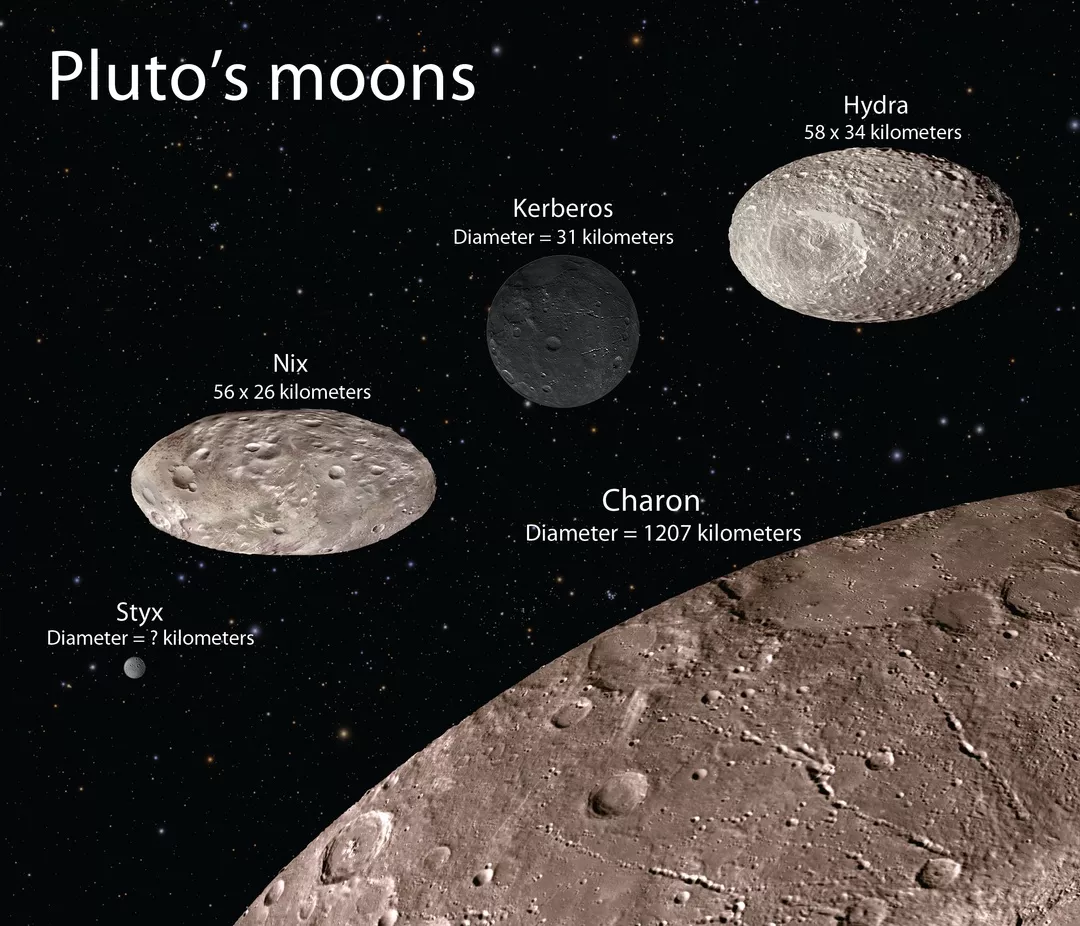
“新地平线”号飞过冥王星及其五颗卫星:冥卫一(Charon)、尼克斯(Nix)、许德拉(Hydra)、科波若斯(Kerberos)和冥卫五(Styx)
最接近的一次距离达7759英里(12487公里)
这次的飞行是天文史上的又一次里程碑,“新地平线”号飞越了人类迄今研究过的最遥远的天体!
@New Horizons: 我与冥卫一!好不容易才见到!我要跟它合照发给人类看看!
▼新视野号与冥卫一 @NASA
Ⅲ
途径天涯海角
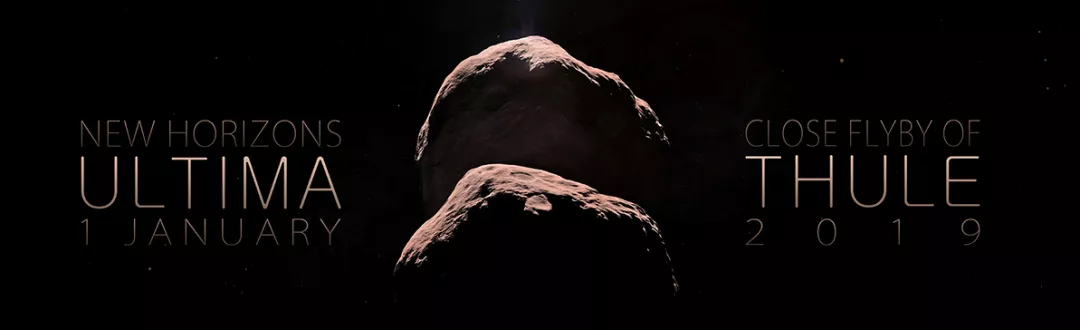
当“新地平线”号靠近遥远的物体MU69(也称Ultima Thule)时
它捕捉到它的图象
让人类在历史上第一次清晰地看见柯伊伯带上的物体
——要知道,柯伊伯带离我们的家园有整整40亿英里的距离
柯伊伯带,由一个巨大的带冰的物体和一系列环绕在海王星之上的神秘小天体组成
这个区域也被称为太阳系的“第三地带”
存在于太阳系行星之外的广袤宇宙中
——内部的岩石行星、外部的气态巨行星,对柯伊伯带来说都太接近太阳了。
@New Horizons: Yeah~新年目标完成啦!
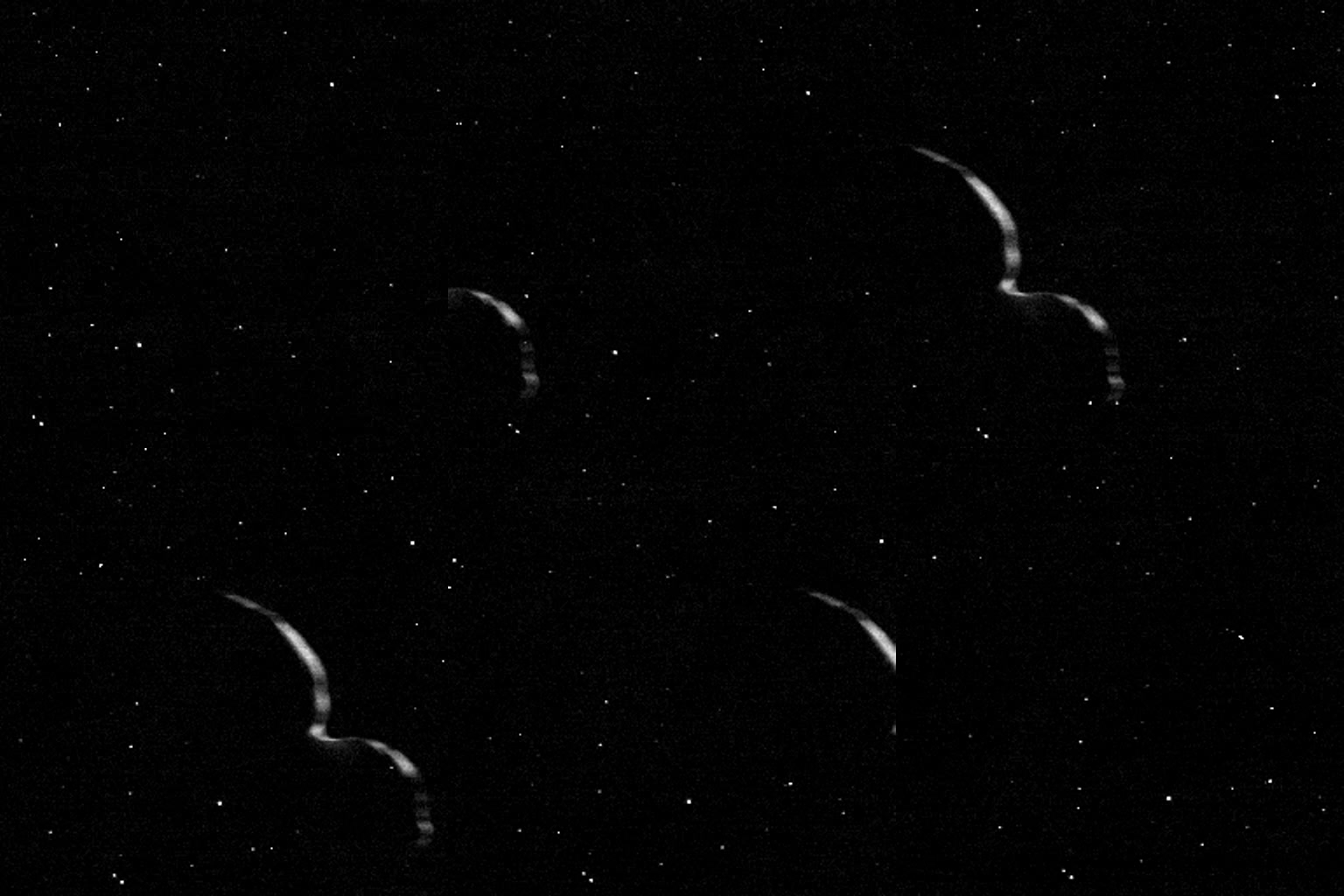
▼天涯海角的掠影(动图) @Johns Hopkins Applied Physics Laboratory
@New Horizons:???(我发现了不明物体)
@新视野号首席调查员艾伦·斯特恩(Alan Stern):“新地平线号传回来的几张照片让我们大致对Ultima Thule有了初步的印象,而新照片让我们对这个神秘的天体有了进一步的了解。
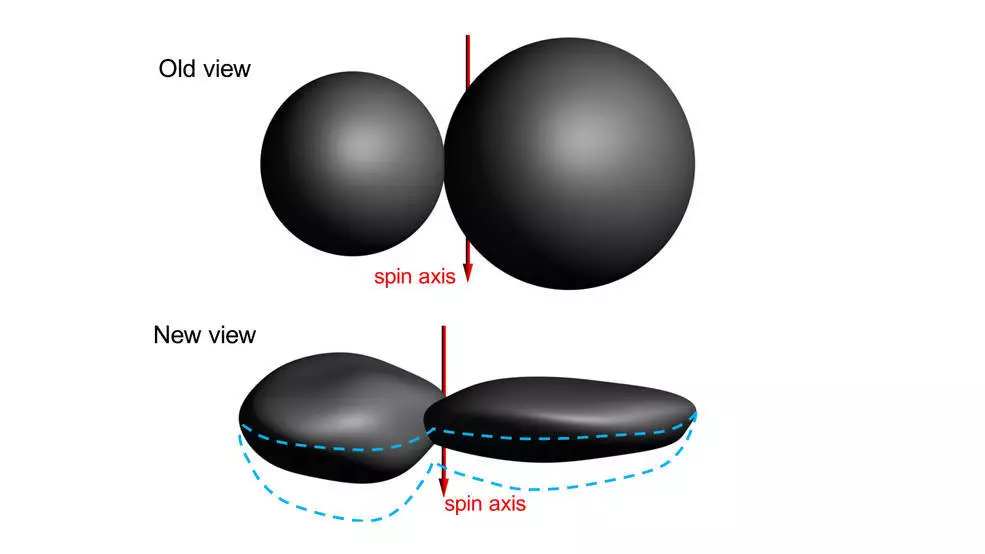
更接近事实的说法是,Ultima Thule的形状扁平,就像煎饼一样。但更重要的是,这些新的图像制造了又一个科学界上的难题:这种奇怪的天体是如何形成的?我们从未见过这样的东西绕着太阳转。”
令人不可思议的图像表明
Ultima Thule不像科学家们原先所想的那样由球形组成
反而有两个扁平的叶片
这颠覆了原先很大一部分科学家的观点
“研究Ultima Thule有助于我们了解行星是如何形成的——既有太阳系中的行星,也有银河系中围绕其他恒星运行的行星。” “新地平线”号地质和地球物理团队负责人杰夫摩尔说。
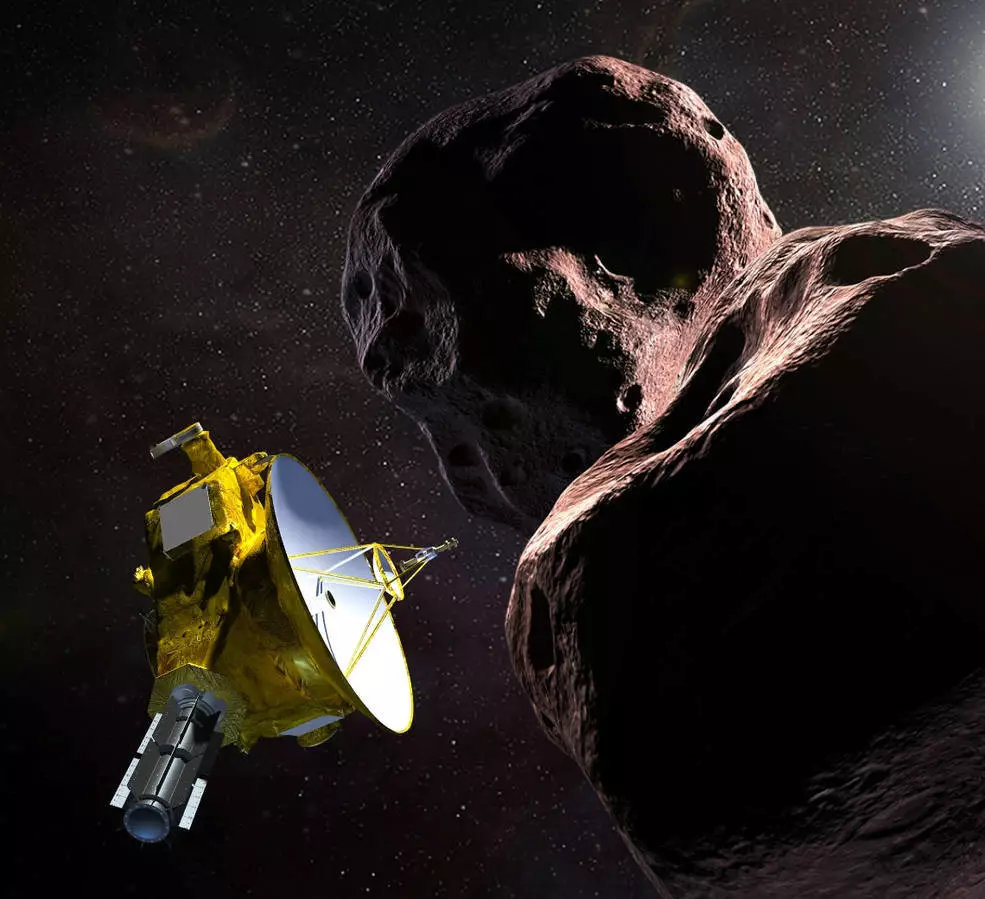
▼天涯海角构想图 @NASA
▼视线开始慢慢清晰 @2019 The Johns Hopkins University Applied Physics Laboratory

这些新镜头是在新视野号在抵达Ultima Thule最近点大约六分半钟前拍摄的
当时“新地平线”号距离Ultima Thule仅4,109英里(6,628公里)
新视野号以超过32,000英里/小时(51,500公里/小时)的速度飞掠该天体
因此从这个近距离获得如此清晰的图像令人难以置信。
▼最开始收集到的照片 @NASA

@New Horizons: 还是有一点点小模糊,怎么办?请求技术支援!
@新视野号首席调查员艾伦·斯特恩(Alan Stern):它们正处在冥王星10亿英里以外的柯伊伯带的昏暗光线下,以每小时3.2万英里的速度擦身而过。要得到清晰的图像,我们需要精确地知道Ultima Thule和‘新地平线号’每一时刻的精确位置。这是一个比15年飞越冥王星艰难的多的观察。
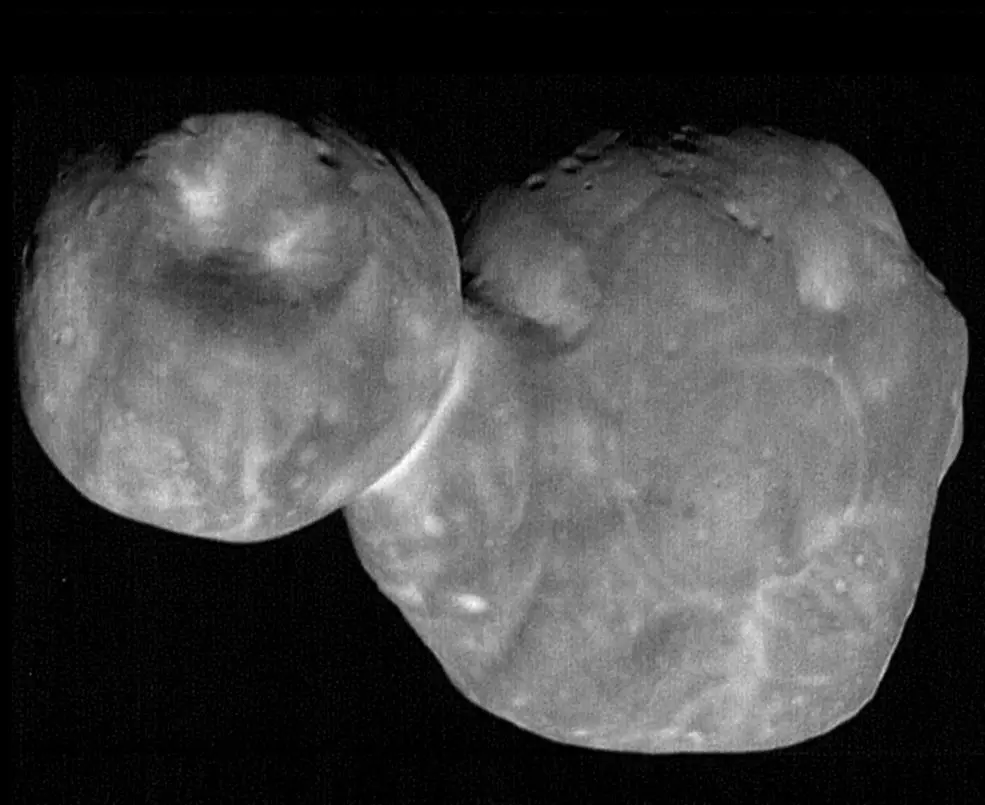
▼后收集到的目前最清晰的照片 @NASA
@New Horizons: 聪明的人类!
这些新镜头为Ultima Thule的奇特景观提供了更清晰的细节
除了一些大型撞击坑
图像更详细地突出显示了顶部较小的凹坑
在夜晚和白天的边界
神秘的亮点也更突出
特别是连接两个部分的“颈部”。
“新地平线”号已经完成了对冥王星和Ultima Thule的近距离飞掠,但它的使命还没有完成。这位“小探险家”将继续探索其他柯伊伯带天体,将能够比哈勃望远镜获得更多的细节,甚至有可能找到另一个飞掠目标。
与此同时
数据和图像将在2020年年中之前陆续传回
因此我们看到的也许还不是Ultima Thule的最后图像——它当然不会就这么轻易地过去了
这个奇妙的天体有巨大的研究价值
或许科学家们正在加班加点地把它们挖掘出来呢。
@New Horizons: 祝愿我不要在中途没电休眠哟~拜~
P.S 本文主要参考文献:百度百科词条《新地平线号探测器》,环球网《新视野号带回“天涯海角”新照:更像煎饼而非雪人》, New Horizons Spacecraft Returns Its Sharpest Views of Ultima Thule,科学探索网《新视野号“冒险”捕捉的Ultima Thule画面是目前传回的最高分辨率图像》,New Horizons官网
p.p.s公众号的第一次推文,大家请多多支持
p,p.p.s文:徐嘉忆,李卓然
封面设计:徐嘉忆

叮当猫的麻袋
All about space and time.

A journey, an expedition
When the author was still very young, Pluto still appeared again and again in encyclopedias as one of “the nine major planets of the solar system.” Its mysterious, mythological name and its remote distance both cloaked the world in an air of the unfathomable.
Even though Pluto was kicked out of the “planet” group chat in 2006 and banished to the “dwarf planet” cold palace, for scientists it remains a body of tremendous research value, and the aerospace world has never stopped exploring it.
Just this past January, an “explorer” that once visited Pluto brought thrilling news back to Earth — and what follows is its story.
▼ New Horizons @NASA
Ⅰ Departure
The story begins on January 19, 2006, at Cape Canaveral, Kennedy Space Center, Florida, USA. On this day a Pluto probe was launched by the National Aeronautics and Space Administration (NASA).
Its name is the New Horizons probe. It shouldered a momentous mission: to explore Pluto and its largest moon Charon, and to survey the group of minor bodies in the Kuiper Belt.
▼ New Horizons launch photo @NASA
▼ @New Horizons: Hello! It’s me! @NASA
First, New Horizons would pass by Pluto. After completing its survey of Pluto, it would continue flying toward regions of the universe even farther from Earth, heading for an intermediate ring made of comets and other cosmic debris — the Kuiper Belt.
▼ The Kuiper Belt @Google
Ⅱ Footprints
Up to now, New Horizons has traveled alone through the solar system for 13 years, and it still continues along its full planned trajectory.
▼ This image shows New Horizons’ current position. The green part of the line shows the path New Horizons has already traveled; red shows its future trajectory. As you can see, it has already covered most of its journey, and the day of mission completion draws ever nearer. @Johns Hopkins University Applied Physics Laboratory
@New Horizons: The footprints of growth — one big step at a time.
▼ @Johns Hopkins University Applied Physics Laboratory
On July 14, 2015, New Horizons successfully flew past Pluto, capturing precious imagery and completing its primary mission. Over a journey lasting a full decade, it successfully crossed 3.26 billion miles (5.25 billion km) of the solar system.
@New Horizons: I’m amazing!
▼ @NASA
New Horizons flew past Pluto and its five moons: Charon, Nix, Hydra, Kerberos, and Styx. Its closest approach came to within 7,759 miles (12,487 km).
This flight was another milestone in the history of astronomy — New Horizons flew past the most distant body humanity has ever studied!
@New Horizons: Charon and me! It wasn’t easy to finally see it! I have to take a photo together and send it back for humans to see!
▼ New Horizons and Charon @NASA
Ⅲ Passing the Ends of the Earth
As New Horizons approached the distant object MU69 (also known as Ultima Thule), it captured images of it, letting humanity for the first time in history clearly see an object in the Kuiper Belt — bear in mind that the Kuiper Belt lies a full 4 billion miles from our home.
The Kuiper Belt is made up of a vast body of icy objects and a series of mysterious small bodies orbiting beyond Neptune. This region is also called the “third zone” of the solar system, existing in the vast reaches beyond the solar system’s planets — the inner rocky planets and the outer gas giants are all too close to the Sun for the Kuiper Belt.
@New Horizons: Yeah~ New Year’s goal accomplished!
▼ A glimpse of the ends of the earth (animation) @Johns Hopkins Applied Physics Laboratory
@New Horizons: ??? (I’ve discovered an unidentified object.)
@New Horizons principal investigator Alan Stern: “The few images New Horizons sent back gave us a rough first impression of Ultima Thule, and the new photos have given us a further understanding of this mysterious body.”
A description closer to the truth is that Ultima Thule is flat in shape, like a pancake. But more importantly, these new images have created yet another puzzle for the scientific community: how did such a strange body form? We have never seen anything like it orbiting the Sun.
The incredible images show that Ultima Thule is not composed of spheres as scientists originally thought; instead it has two flattened lobes, overturning what a large portion of scientists had previously believed.
“Studying Ultima Thule helps us understand how planets form — both the planets in our solar system and the planets orbiting other stars in the galaxy,” said Jeff Moore, head of New Horizons’ geology and geophysics team.
▼ Artist’s conception of the ends of the earth @NASA
▼ The view begins to slowly sharpen @2019 The Johns Hopkins University Applied Physics Laboratory
These new frames were taken about six and a half minutes before New Horizons reached its closest point to Ultima Thule, when New Horizons was only 4,109 miles (6,628 km) from Ultima Thule. New Horizons flew past the body at over 32,000 mph (51,500 km/h), so obtaining such clear images from this close range is incredible.
▼ The first photos collected @NASA
@New Horizons: Still a tiny bit blurry — what do I do? Requesting technical support!
@New Horizons principal investigator Alan Stern: They were passing by in the dim light of the Kuiper Belt, more than a billion miles beyond Pluto, at 32,000 miles per hour. To get clear images, we needed to know the precise position, at every moment, of both Ultima Thule and New Horizons. This was a far more difficult observation than the 2015 Pluto flyby.
▼ The clearest photo collected so far @NASA
@New Horizons: Clever humans!
These new frames offer clearer detail of Ultima Thule’s peculiar landscape. Besides some large impact craters, the images more clearly highlight the smaller pits on the top, and along the boundary between night and day the mysterious bright spots stand out more too — especially the “neck” connecting the two parts.
New Horizons has already completed close flybys of Pluto and Ultima Thule, but its mission is not yet over. This “little explorer” will continue to explore other Kuiper Belt objects, able to obtain far more detail than the Hubble telescope, and may even find another flyby target.
Meanwhile, data and images will keep streaming back through the middle of 2020, so what we are seeing may not yet be the last images of Ultima Thule — it certainly won’t be over so easily.
This wondrous body holds enormous research value, and perhaps scientists are working overtime to dig it all out.
@New Horizons: Wish me luck — hope I don’t run out of power and go to sleep halfway! Bye~
P.S. Main references for this article: the Baidu Baike entry “New Horizons probe,” Huanqiu.com’s “New Horizons brings back new photos of ‘Ultima Thule’: more like a pancake than a snowman,” New Horizons Spacecraft Returns Its Sharpest Views of Ultima Thule, Kexue.com’s “The Ultima Thule images ‘daringly’ captured by New Horizons are the highest-resolution ones sent back so far,” and the official New Horizons website.
p.p.s. This is the WeChat account’s very first post — please show your support, everyone.
p.p.p.s. Text: Xu Jiayi, Li Zhuoran. Cover design: Xu Jiayi.